
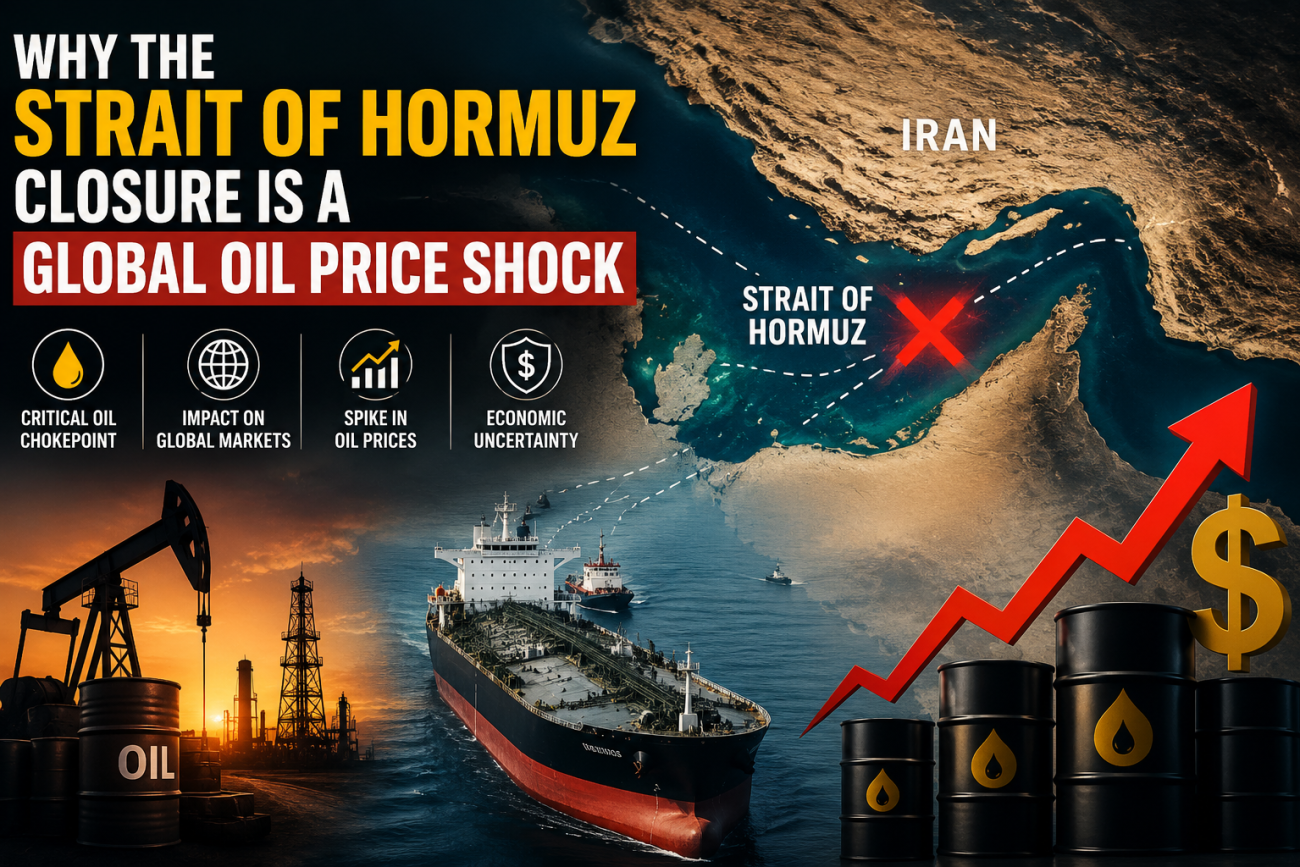
The Iran-US-Israel Conflict 2026 has reshaped the Middle East since fighting broke out in February, and it shows no sign of slowing down. What began as a single strike has turned into months of broken ceasefires, renewed attacks, and a fragile peace deal that keeps collapsing under pressure.
The Strait of Hormuz sits at the centre of it all, with Iran restricting shipping routes and rattling global oil markets every time tensions flare up. For Pakistan, this isn’t a distant headline. Rising oil prices, pressure on the rupee, and shaky investor confidence are already showing up in daily life. This guide breaks down exactly what’s happening right now and why it matters here at home.
Timeline of the Iran-US-Israel Conflict 2026 From Ceasefire to Renewed Strikes
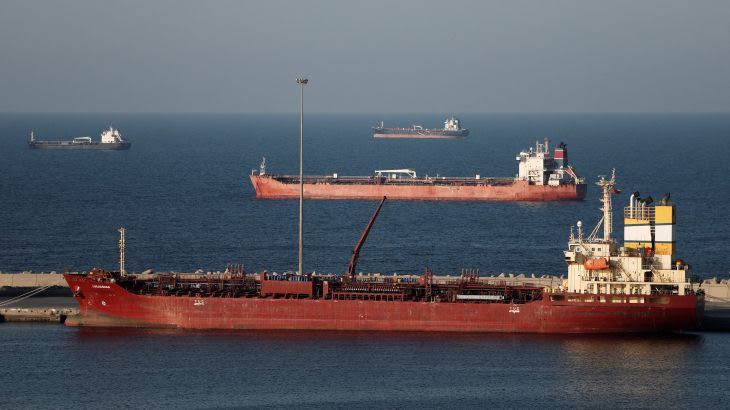
The US-Iran war 2026 began on February 28, when joint US-Israeli strikes hit Iranian leadership targets. The opening attack was so severe that it triggered an immediate wave of retaliation, with Iran firing hundreds of missiles and drones across the region within days. Hezbollah joined the fight soon after, pulling Lebanon into a fresh round of conflict.
By April, exhaustion on all sides led to a fragile two-week ceasefire. It held just long enough for talks to move forward, and on June 17, the presidents of the US and Iran signed a memorandum meant to formally end the war. That peace didn’t last. Iran began asserting control over shipping routes through Hormuz, and by early July, strikes on commercial vessels brought the fighting right back to where it started.
| Date | Event |
|---|---|
| Feb 28, 2026 | US-Israel strikes begin, war starts |
| April 7-8, 2026 | Two-week ceasefire agreed |
| June 17, 2026 | Formal peace memorandum signed |
| July 6-8, 2026 | Vessel strikes trigger renewed fighting |
Why the Strait of Hormuz Closure Is a Global Oil Price Shock
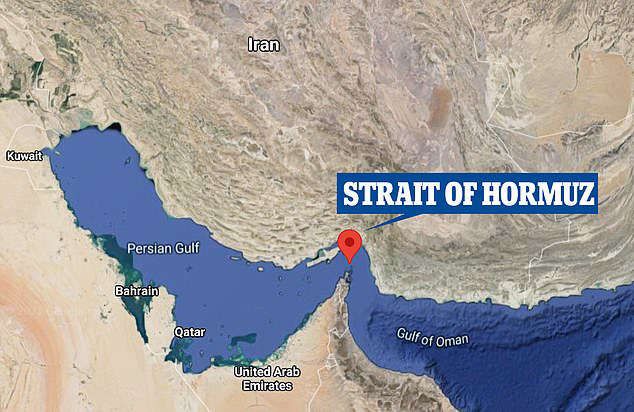
Roughly one-fifth of the world’s oil supply passes through the Strait of Hormuz every single day. That narrow stretch of water between Iran and Oman is the only sea route out of the Gulf for major oil producers like Saudi Arabia, the UAE, and Kuwait. When Iran restricts traffic there, even for a few days, global energy markets feel it almost immediately.
That’s exactly what happened again in July. After fresh strikes, oil jumped by around 4 percent in a single trading session as shipping companies pulled back and insurance costs for tankers spiked. Vessels are now largely confined to a narrow northern route that Iran controls, while safer southern corridors backed by Oman sit mostly empty. This kind of bottleneck doesn’t stay contained to the Middle East. It flows straight into fuel prices everywhere, including Pakistan.
Impact on Pakistan’s Petrol and Diesel Prices
Pakistan imports most of its oil, so any Hormuz disruption lands directly on local pumps. The government’s latest fuel price revision raised petrol by Rs13.18 per litre and high-speed diesel by Rs13.80 per litre, effective from July 11. That pushed the petrol price per litre to Rs310.71, while the high-speed diesel (HSD) price now sits at Rs323.30 per litre.
This isn’t the worst it’s been. Diesel had actually peaked at a painful Rs520.35 back in April, before easing off as ceasefire talks briefly calmed the markets. The Petroleum Division follows a bi-weekly fuel price adjustment system, and the latest Petroleum Division notification reflects just how tightly local prices now track the war overseas. Part of the increase also comes from policy, not just global oil. Under IMF conditions Pakistan agreed to, the government doubled the climate support levy to Rs5 per litre starting July 1.
| Fuel Type | Old Price | New Price | Increase |
|---|---|---|---|
| Petrol | Rs297.53 | Rs310.71 | +Rs13.18 |
| High-Speed Diesel | Rs309.50 | Rs323.30 | +Rs13.80 |
Beyond the base price, taxes make up a big chunk of what drivers pay. Diesel carries about Rs101 per litre in combined charges, including customs duty on diesel of Rs16, the petroleum levy, and the inland freight equalisation margin. Petrol isn’t far behind, with roughly Rs95 per litre in tax on petroleum products, made up of a Rs20 customs duty on petrol plus levies. Even kerosene price and light diesel oil (LDO) price have moved up under the same levy structure, though demand for these fuels is much smaller than petrol and diesel.
Pakistan Stock Exchange (PSX) Reaction to the Crisis
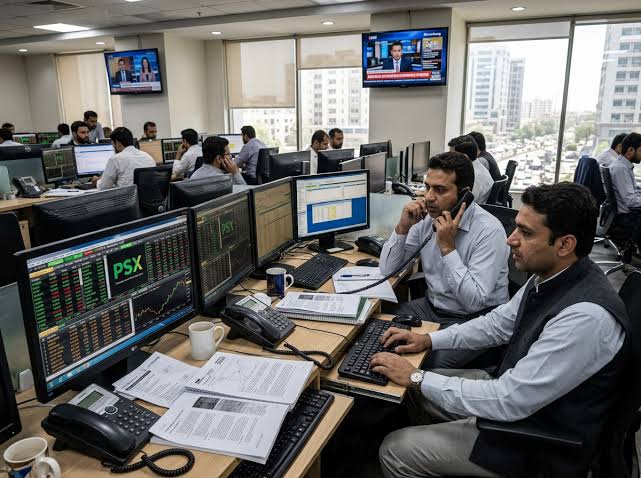
Markets hate uncertainty, and the renewed Iran-US-Israel Conflict 2026 gave Pakistan’s stock exchange plenty of it. The PSX opened the week in the red and slid more than 2,000 points during intraday trading as fresh strikes rattled investor confidence. Energy-heavy sectors took the hardest hit, since higher oil import costs squeeze margins for anything tied to fuel, transport, or power generation.
This kind of sharp pullback isn’t unusual when Middle East tensions spike. Investors tend to shift toward safer assets until there’s more clarity on how long the fighting will last. For ordinary Pakistanis with savings in mutual funds or pension plans linked to the market, these swings are a reminder of how closely local wealth is tied to events thousands of kilometres away.
ADB Cuts Pakistan’s Growth Forecast What It Means
The Asian Development Bank trimmed its growth forecast for Pakistan down to just 3.7 percent, pointing directly to higher energy costs as the main culprit. That’s a meaningful downgrade from earlier, more optimistic projections made before the conflict reignited.
Higher oil prices don’t just raise fuel bills. They ripple through transport costs, manufacturing inputs, and food distribution, pushing inflation higher across the board. When a country like Pakistan imports the bulk of its energy, an external shock like this one chips away directly at GDP growth, even if domestic policy stays steady. The ADB’s revised number is essentially a warning sign that the economy has less room to absorb further oil-price surprises this year.
State Bank of Pakistan’s Warning on Economic Stability
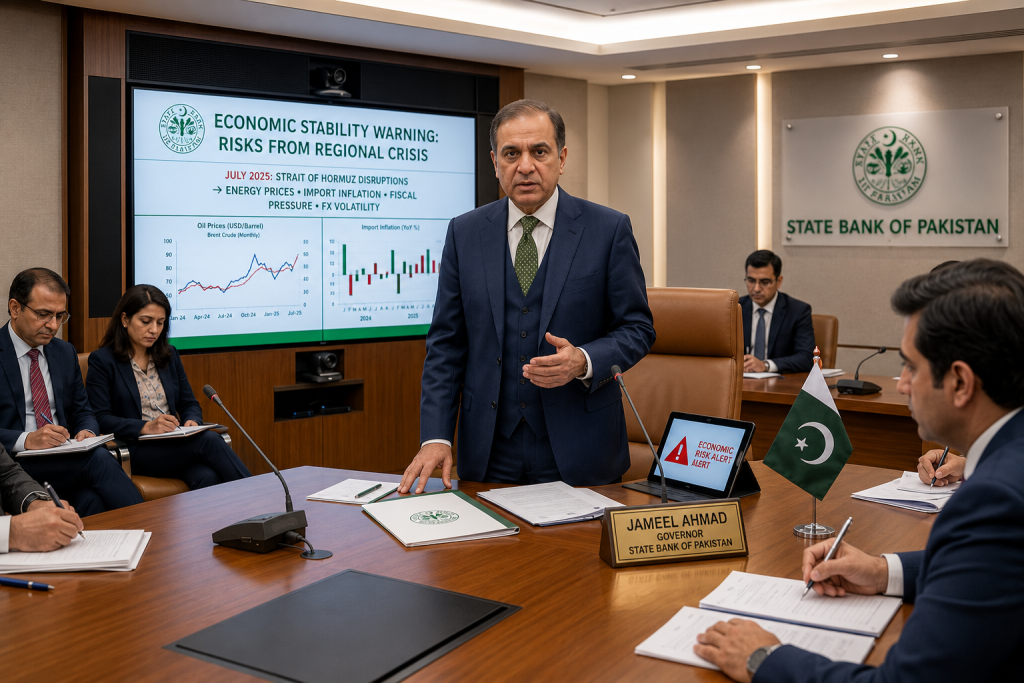
The State Bank of Pakistan has flagged the Middle East conflict as a genuine risk to the country’s economic stability, and the concern is well founded. A prolonged Hormuz disruption raises Pakistan’s import bill for oil, which puts direct pressure on foreign exchange reserves and, by extension, on the rupee’s value against the dollar.
Central bank officials are watching this closely because currency pressure and import inflation tend to move together. If oil costs stay elevated for months rather than weeks, the SBP may need to adjust monetary policy to keep inflation from spiraling, even as growth slows. It’s a tricky balancing act, and one that depends heavily on how the fighting overseas unfolds in the coming weeks.
Economic Affairs Division Flags Risks From the Renewed Conflict
Pakistan’s Economic Affairs Division has publicly acknowledged that the renewed US-Iran war 2026 poses fresh risks to the country’s fragile fiscal position. Two areas stand out: the trade balance, which worsens every time oil import costs rise, and remittances, since millions of Pakistani workers are employed across Gulf states that sit close to the conflict zone.
Fiscal space is already tight under the current IMF programme, leaving little room to absorb shocks through subsidies. If the fighting disrupts Gulf economies or travel routes for an extended period, remittance inflows, one of Pakistan’s most reliable sources of foreign currency, could slow down at the worst possible time. The Division’s warning is less about a single event and more about how long this uncertainty might drag on.
How Pakistan’s Government Is Responding
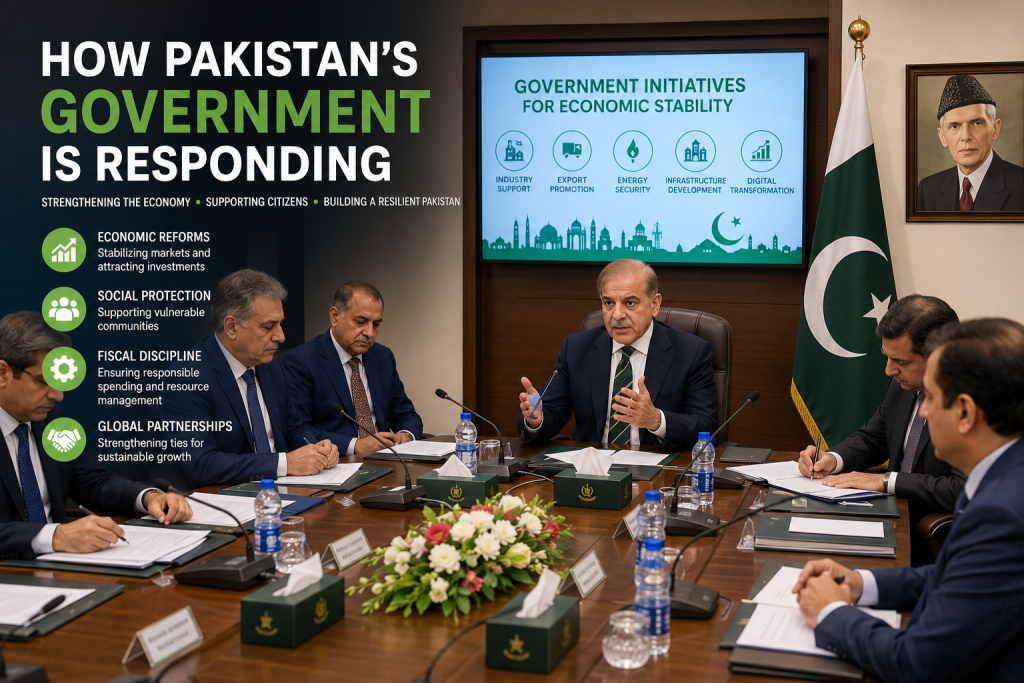
Islamabad has largely taken a diplomatic, wait-and-watch approach rather than any dramatic policy shift. Officials have called for de-escalation and continue to coordinate with Gulf allies who share Pakistan’s exposure to Hormuz disruptions and regional instability. On the economic side, the focus has stayed on managing fuel pricing through the existing bi-weekly fuel price adjustment mechanism rather than introducing emergency subsidies, largely because of limited fiscal room under IMF conditions.
Behind the scenes, Pakistan’s diplomatic channels with both Tehran and Gulf capitals remain active, given the country’s historical ties to Iran and its heavy reliance on Gulf remittances and trade. Analysts expect the government’s response to stay largely reactive unless the conflict escalates further or directly threatens Pakistani nationals working in the region.
What This Means for Common Pakistanis FAQs
Will petrol and diesel prices rise further? It’s likely, at least in the short term. As long as the Strait of Hormuz sees disruptions, global oil prices stay volatile, and Pakistan’s fuel prices will keep moving with them under the current price revision system.
Should Pakistanis expect fuel shortages? Not immediately. Supply chains have adjusted before during earlier phases of this conflict, though prolonged blockages could eventually strain import logistics.
How does this affect remittances from Gulf-based workers? If the conflict disrupts Gulf economies or restricts labour movement, remittance flows could slow. So far, there’s no major disruption reported, but the Economic Affairs Division is monitoring this closely.
Is travel to Gulf countries affected right now? Commercial flights are largely operating, though travellers should check airline advisories given the fluid security situation near Iran and the Gulf.
The Iran-US-Israel Conflict 2026 is far from settled, and its effects on Pakistan’s economy will likely keep shifting week to week. Keeping an eye on fuel price notifications, PSX movement, and government statements is the best way for Pakistani households and businesses to stay ahead of what comes next.
