
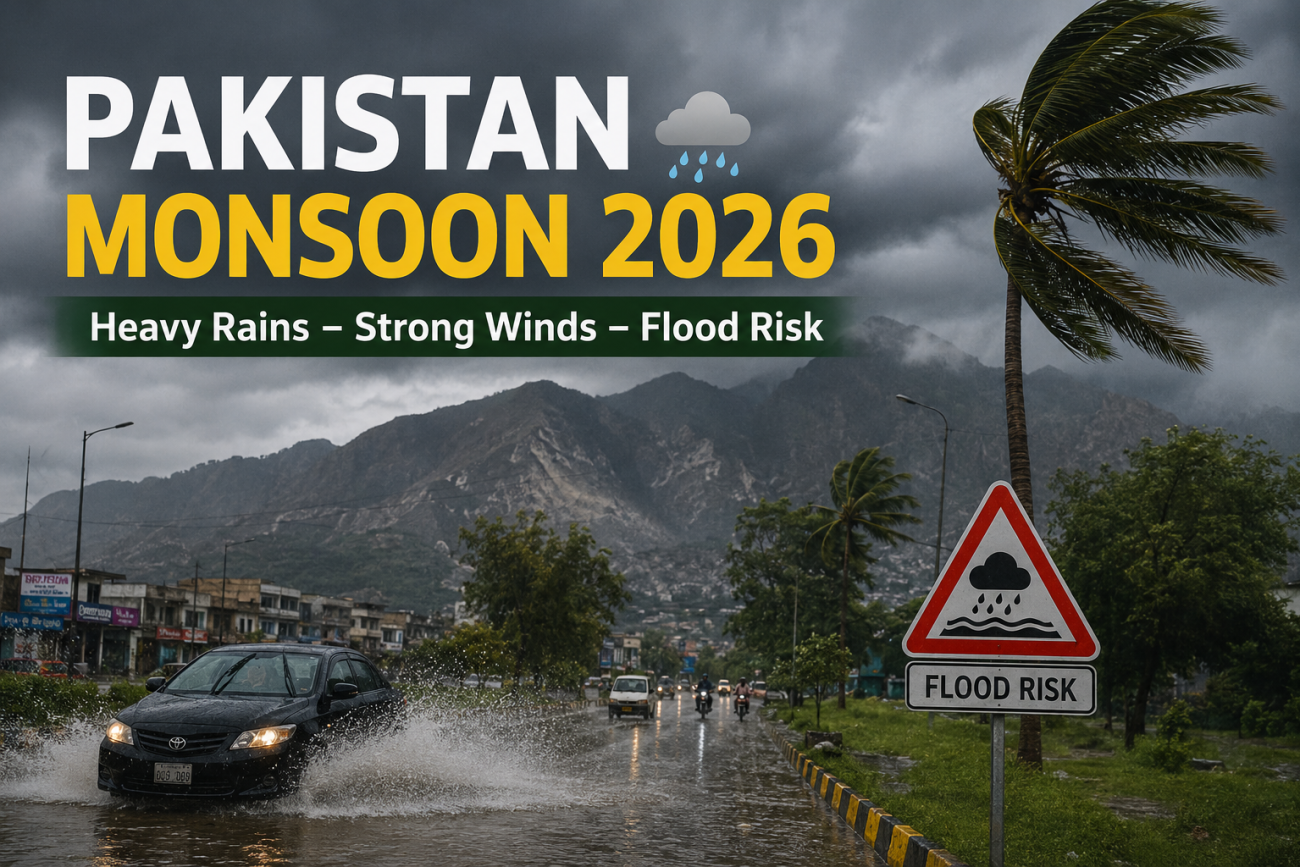
Every year, Pakistan waits for the rains with mixed feelings. They bring life to dry fields, but they also test the country’s rivers, roads, and rescue teams. Pakistan Monsoon 2026 has already shown both sides of that coin. Some regions are enjoying green hills and cooler evenings, while others are dealing with flash floods and damaged homes. This guide breaks down everything you need to know, from regional rainfall patterns to safety advice, so you can plan your travel or daily life with confidence.
Pakistan’s Climate and the 2026 Monsoon Season
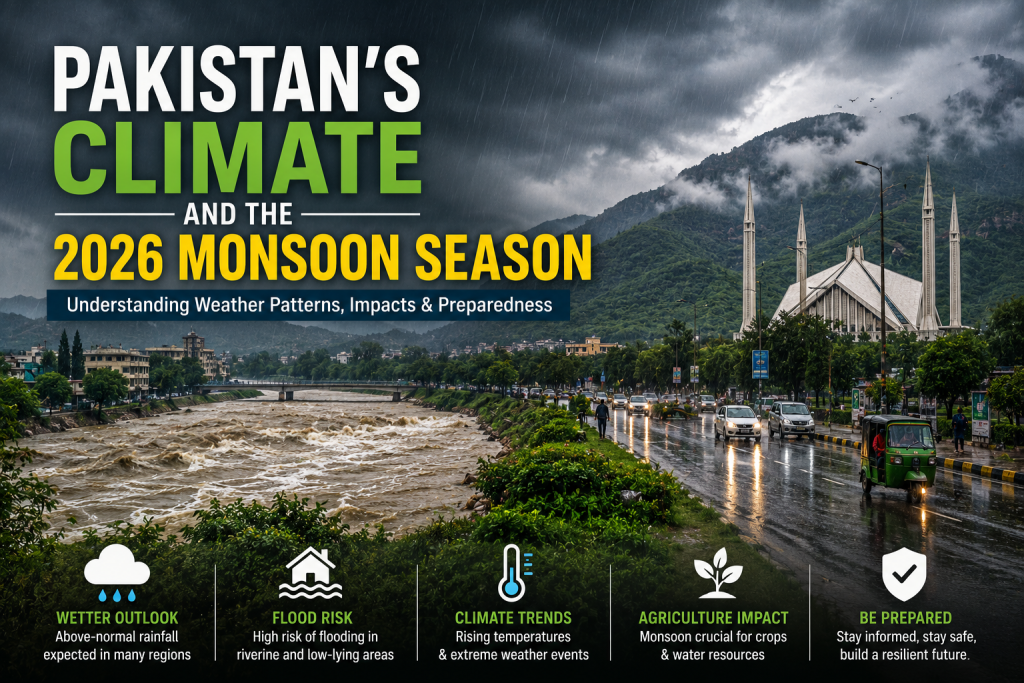
Pakistan sits at a unique crossroads of climate zones. It has snow-capped mountains in the north and scorching plains in the south, so the Pakistan weather outlook changes drastically depending on where you stand. The country generally experiences four seasons, but summer flows straight into the monsoon without much warning. Pakistan Monsoon 2026 arrived right on this backdrop of geographic diversity, with the Southwest monsoon reaching the country in late June, slightly earlier than usual, and staying active with repeated rain spells since then.
What makes Pakistan Monsoon 2026 stand out is its sheer intensity. Disaster officials expect seasonal rainfall to run 22 to 26 percent above last year’s total. Combined with faster glacier melt across the north, this monsoon season Pakistan is dealing with carries a higher flood risk than usual. Residents in Punjab and Khyber Pakhtunkhwa should keep an eye on river levels through the rest of July.
Monsoon Rainfall Across Pakistan’s Regions
Rain does not fall evenly across the country, and that is exactly why regional awareness matters so much this year. The table below gives you a quick snapshot of what different provinces are experiencing during this year’s rainy season Pakistan wide.
| Region | Rainfall Pattern | Flood Risk Level |
|---|---|---|
| Khyber Pakhtunkhwa | Heavy, repeated spells | Very High |
| Punjab | Intense, riverine flooding | High |
| Sindh | Scattered showers | Moderate |
| Balochistan | Mostly dry, isolated rain | Low to Moderate |
| Northern Areas | Frequent showers, glacier melt | High |
Weather in Sindh
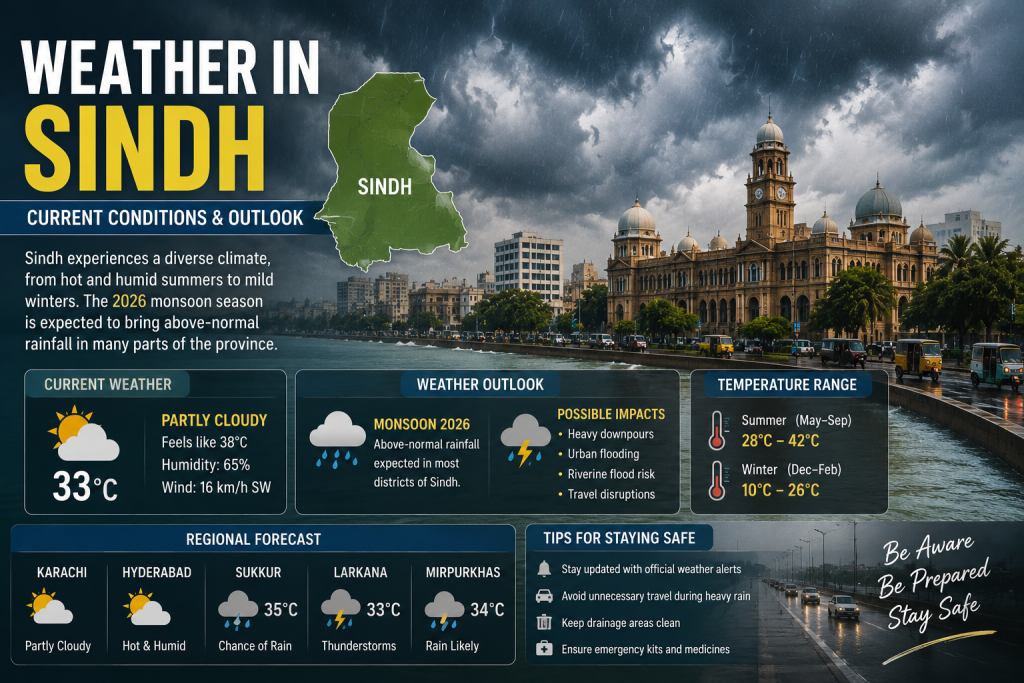
Cities like Karachi, Hyderabad, Thatta, Sukkur, and Larkana typically see lighter rainfall compared to the north during Pakistan Monsoon 2026. Showers arrive with thunderstorms and offer welcome relief from summer heat that often crosses 40°C, a pattern that has held true across this year’s Pakistan Monsoon 2026 season. Urban flooding can still happen in low-lying parts of Karachi during heavy downpours, so drainage-prone neighborhoods deserve extra caution as Pakistan Monsoon 2026 continues to bring unpredictable spells. Residents watching Pakistan Monsoon 2026 updates should keep an eye on local drainage advisories in these cities.
Weather in Balochistan
Much of Balochistan stays dry through the monsoon, though northeastern districts such as Zhob, Musakhel, and Barkhan pick up moderate rain. Quetta enjoys pleasant summer temperatures compared to the rest of the country, which makes it a quieter option for anyone wanting to dodge the heaviest rains this season.
Northern Pakistan During Monsoon
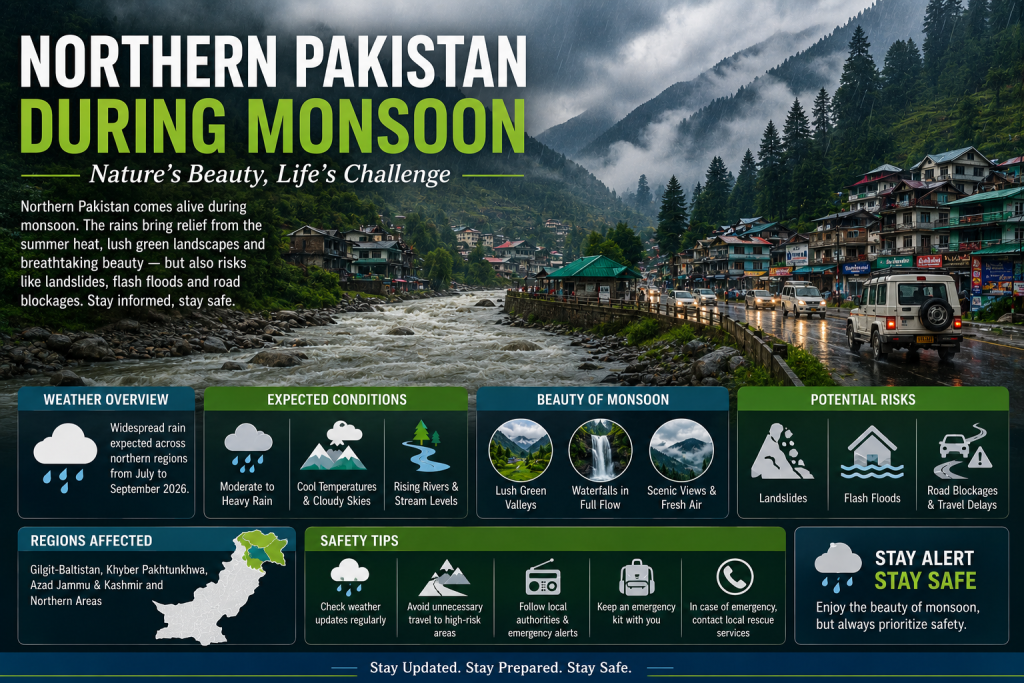
The north tells a more dramatic story this year. Islamabad, Murree, Abbottabad, Swat Valley, Kaghan Valley, Naran, Azad Kashmir, and Upper Punjab have all recorded strong rainfall. Landslides and temporary road closures have hit some mountain routes, so travelers heading toward these areas should check conditions before setting out.
Current Flood Situation and Casualty Updates
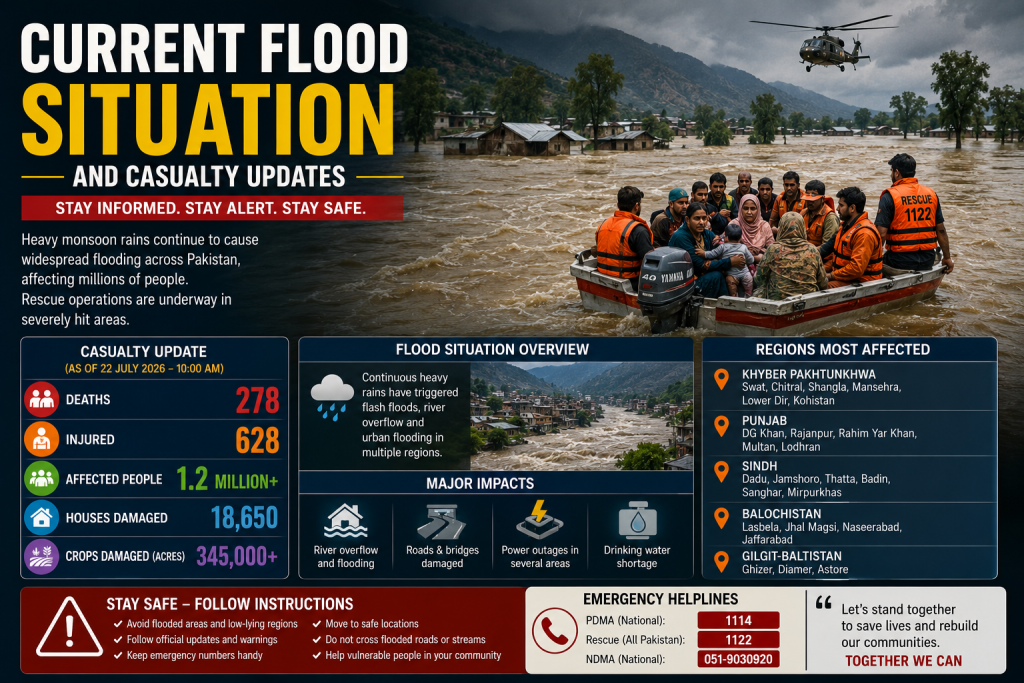
The human cost of this year’s rains has been significant. According to the National Disaster Management Authority, the nationwide death toll since June 26 climbed past 70 by late July, with Khyber Pakhtunkhwa recording the highest number of fatalities, followed by Punjab, Azad Kashmir, and Balochistan. Roof and wall collapses caused by saturated ground have been a major factor behind these losses.
Authorities have flagged active flood alerts for the Chenab, Jhelum, and Ravi rivers, warning that high flows are expected through July 24. Punjab’s provincial government has urged residents near rivers and canals to stay away from the water and follow evacuation orders when issued. This localized flooding pattern is expected to ease once the current rain spell passes, though forecasters caution that another wave could follow.
Flood Monitoring Tools and Early Warning Systems
Tracking floods before they strike saves lives, and Pakistan now leans on several layers of monitoring. The Pakistan Meteorological Department runs a hydrometeorological network built partly for glacial lake outburst flood detection, watching how snow-fed and glacier-fed rivers behave in real time. This data feeds directly into daily situation reports from the National Disaster Management Authority.
International tracking platforms also help fill the picture for researchers and journalists watching weather patterns across the region. Local systems like Rescue 1122 pair this data with ground response teams, meaning an alert about rising river levels can trigger evacuation drills within hours. For residents, the simplest habit that helps the most is checking official NDMA and PMD updates daily during active alert periods.
Safety Tips for Travelers and Residents During Monsoon
Whether you live here or you’re just visiting, a few habits go a long way during Pakistan Monsoon 2026. Check the weather forecast Pakistan wide before any trip, and build extra time into your schedule for mountain routes. Avoid driving through flooded roads, since water depth is almost impossible to judge from a car.
Residents in flood-prone districts should keep emergency numbers saved and a small kit ready with essentials. Waterproof bags protect phones and documents better than most people expect. If local authorities issue an evacuation notice, treat it as urgent rather than optional, because river levels here can rise faster than they do in most other countries.
Impact on Agriculture and Local Economy
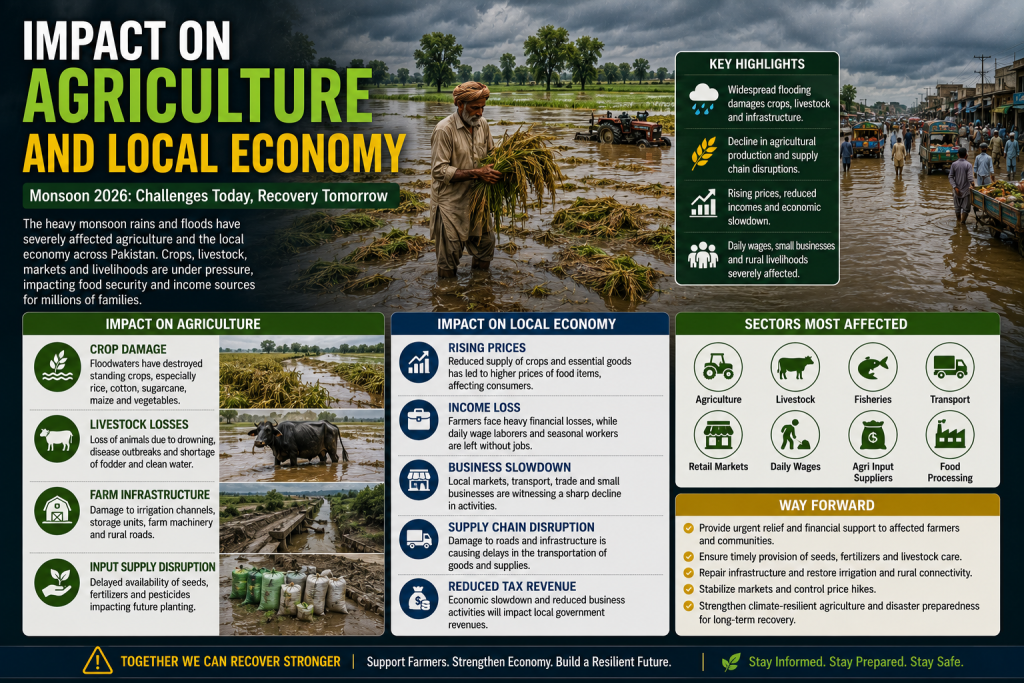
Rain is a double-edged sword for Pakistan’s farmers. Crops like rice, cotton, sugarcane, maize, and a wide range of vegetables depend heavily on monsoon water, and this year’s above-average rainfall has genuinely helped irrigation in several districts. Reservoirs and groundwater tables have also benefited, which matters for a country where water security remains a long-term concern.
That said, riverine flooding along the Chenab and Ravi threatens standing crops in parts of Punjab, Pakistan’s agricultural heartland. Damaged roads and bridges slow down the transport of produce to markets, which can nudge food prices upward for weeks afterward. Farmers in flood-prone belts are watching this season closely, balancing hope for good yields against the risk of sudden losses.
Climate Change and Shifting Weather Patterns in Pakistan
Scientists studying climate change South Asia wide keep pointing to the same trend: rainfall is becoming less predictable and more intense when it does arrive. Pakistan sits among the countries most exposed to this shift, given its mix of glaciers, rivers, and dense river-valley populations. This year’s forecast of rainfall running well above the historical average fits that pattern closely.
Faster glacier melt across Pakistan’s more than 7,000 glaciers adds another layer of risk, since it raises river volumes even before monsoon rain falls. Meteorologists now describe recent monsoon seasons as “erratic and intense,” a phrase that captures how quickly calm weather can turn into a flood emergency. Long-term planning, not just seasonal alerts, is becoming essential for flood-prone provinces.
Best Places to Visit in Pakistan During Monsoon 2026
Not every part of the country is under alert during Pakistan Monsoon 2026, and the north’s less-affected valleys still offer stunning scenery this season. Hunza Valley, Skardu, Fairy Meadows, Gilgit, Deosai National Park, and Deosai Plains remain popular during Pakistan Monsoon 2026 for their lush greenery and dramatic clouds, though travelers should still confirm road conditions before departure.
Neelum Valley, Nathia Gali, Ayubia National Park, and Chitral round out a solid list for anyone chasing waterfalls and mountain views this monsoon. The Karakoram and Himalayas ranges look especially striking under monsoon clouds. Areas in Gilgit-Baltistan and Khyber Pakhtunkhwa currently under flood alerts, however, are best avoided until conditions stabilize.
Frequently Asked Questions (FAQs)
Is it safe to travel to Pakistan during monsoon 2026?
Travel remains possible in many regions, but flood-hit districts in KP and parts of Punjab should be avoided until alerts are lifted.
When will the monsoon end in Pakistan?
The season typically runs from late June through early September, with occasional showers continuing into late September.
Which areas are most affected by floods right now?
Khyber Pakhtunkhwa and Punjab are currently the worst-hit provinces, with active alerts on the Chenab, Jhelum, and Ravi rivers.
What safety measures should residents take?
Stay away from rivers and canals during high-flow warnings, follow NDMA and PMD updates, and evacuate promptly when authorities advise it.
