
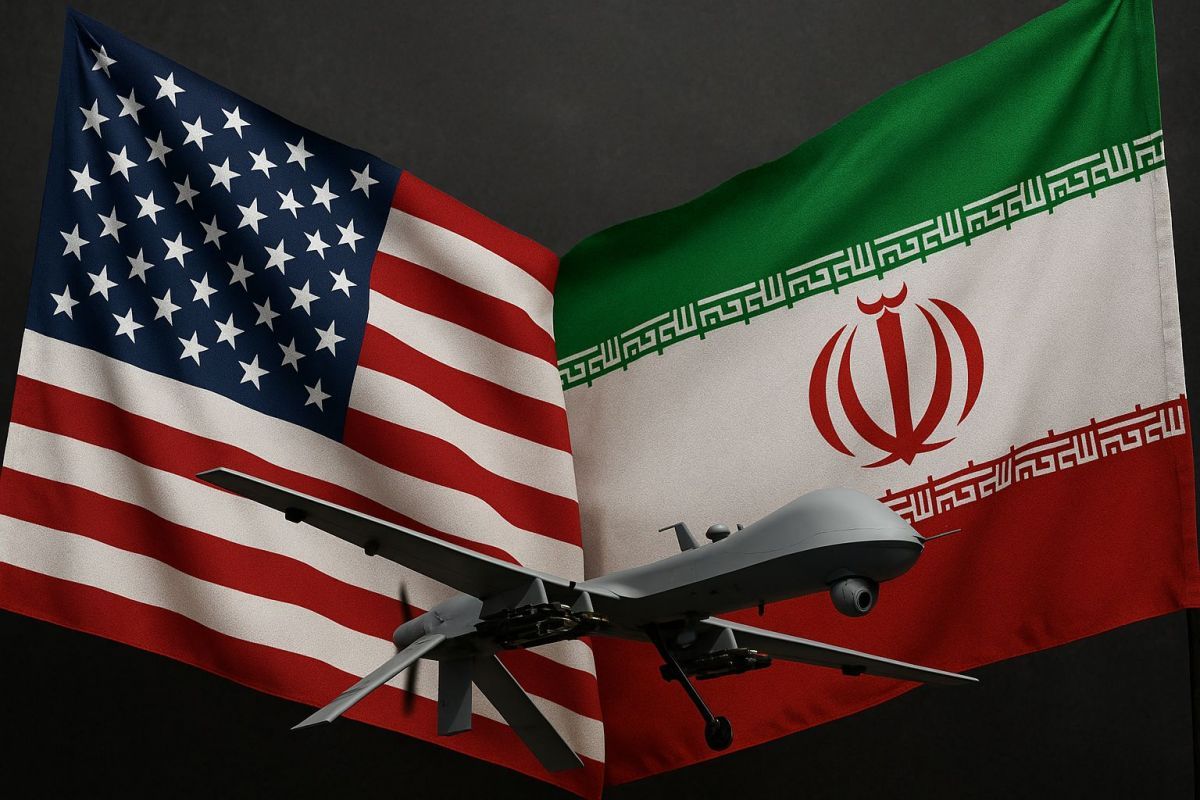
The Iran-US war has taken a dangerous turn this week, with fresh fighting breaking out just as the region hoped for calm. What started as a fragile truce has now collapsed into open, back-and-forth strikes, leaving Gulf nations on edge and oil markets nervous. Missiles are crossing borders, funeral crowds are gathered in Mashhad, and tankers near the Strait of Hormuz are moving cautiously, unsure of what comes next.
For readers in Pakistan, these Iran-US war live updates are not just distant headlines. Oil prices, Gulf remittances, and regional stability all tie back to this conflict. This article breaks down the latest developments in simple, easy-to-follow language, so you understand exactly what is happening and why it matters.
Iran-US War Live Updates Key Developments at a Glance
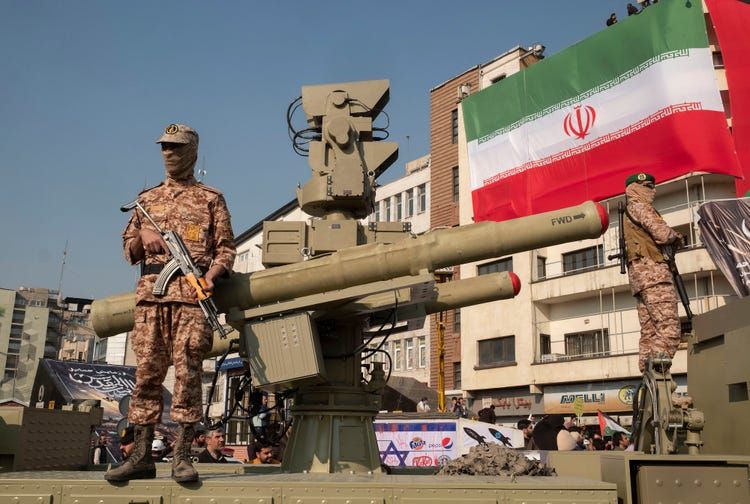
Iran has confirmed that at least 14 people were killed and 78 wounded in the last two days of US strikes. At the same time, Iran fired missiles toward Jordan, Bahrain, Kuwait, and Qatar, prompting emergency warnings from the US Embassy in Amman. President Trump has said the ceasefire reached last month is now “over,” even though he claims Iran still wants a deal.
Meanwhile, the funeral of former Supreme Leader Ayatollah Ali Khamenei has begun in Mashhad, adding a heavy emotional layer to an already tense week. Below is a quick summary table of where things stand right now.
| Development | Current Status |
|---|---|
| Ceasefire | Declared “over” by Trump |
| Casualties (Iran side) | At least 14 killed, 78 wounded |
| Strait of Hormuz traffic | Around 50% of pre-war capacity |
| Khamenei’s funeral | Procession underway in Mashhad |
| Jordan missile attack | 8 missiles intercepted, no casualties |
| US strikes (two-day total) | Around 170 targets hit, per CENTCOM |
Khamenei’s Funeral Procession and Burial in Mashhad
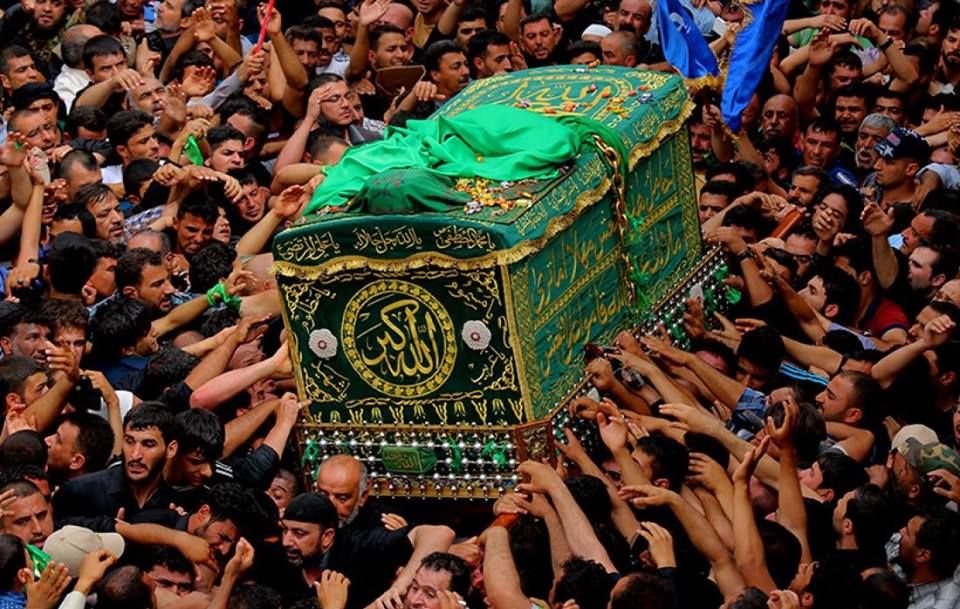
The funeral procession for Ayatollah Ali Khamenei started on Imam Reza Street in Mashhad, with huge crowds lining the road as his coffin passed through. Iranian state media showed thousands of mourners gathered near the Holy Shrine of Imam Reza, which was reportedly so full that organizers had to let people follow the funeral prayer from nearby streets instead. This burial comes after Khamenei’s funeral rites were held earlier in Najaf and Karbala in Iraq, before his body was flown home for the final ceremony.
Khamenei was killed on the very first day of the wider war, and this week was originally meant to bring a period of calm and negotiation. Instead, Iran’s Revolutionary Guard Corps says overnight strikes hit two bridges along the route to Mashhad, showing that even a solemn national funeral has not stopped the fighting. The timing has added deep symbolic weight to the conflict, turning a religious ceremony into another flashpoint in the ongoing Iran-US war.
US Strikes on Iran Scale, Targets and Casualties
According to CENTCOM, US forces have hit close to 170 Iranian targets over two days, including air defense systems, drone and missile storage sites, naval assets, and coastal logistics infrastructure. These are being described as some of the most intense US airstrikes on Iran since the war first began. One of the more sensitive strikes reportedly hit the perimeter area of the Bushehr Nuclear Power Plant, though Iranian officials say no casualties occurred at that specific site.
Iran’s Health Ministry has confirmed a rising human cost, with at least 14 people killed and 78 wounded across the last two days of bombing. Separate strikes in Khuzestan province killed at least three more people, and a firefighter died in a strike near an airport in Iranshahr. These numbers mark the first official casualty count released by Tehran since the renewed fighting started, giving the world a clearer picture of just how serious this round of strikes has become.
Iran’s Retaliation Attacks on Bahrain, Kuwait, Qatar and Jordan
In response, Iran launched what analysts are calling a fresh wave of tit-for-tat strikes, targeting US-linked interests across the Gulf. Jordan’s military confirmed that eight missiles fired from Iranian territory were intercepted before they could cause damage, though falling debris was reported. Just before that, the US Embassy in Amman told residents to seek shelter immediately, warning of incoming missiles, drones, or rockets in Jordanian airspace.
This marks one of the clearest signs yet of direct Iran retaliation spreading beyond its own borders into neighboring Gulf states. Bahrain, Kuwait, and Qatar were also named as targets earlier in the week, according to regional reports, as Iran appeared to widen its response rather than limit it to strikes against US forces alone. Officials in Amman say Jordanian air defense systems remain on high alert, describing the country as being at the highest level of readiness to protect its airspace.
Strait of Hormuz Tensions and Shipping Disruptions
The Strait of Hormuz remains the most dangerous flashpoint in this entire conflict. Iran’s Revolutionary Guard Navy has warned that any US “interference” in deciding shipping routes through the strait will trigger a forceful response and could seriously disrupt the gradual reopening of Hormuz that had been underway since the ceasefire. Iran claims it has restored shipping capacity to roughly 50 percent of pre-war levels, but only under its own rules, requiring vessels to use a northern route close to Iranian territory.
Ship tracking data shows only three fuel tankers moving through the strait as of Thursday, two of which are already under US sanctions for links to Iran’s illicit fuel shipments. Earlier this week, Iran attacked three commercial vessels that tried to use a southern route near Oman instead of Iran’s preferred path, an act Tehran considers a breach of the original ceasefire agreement. The United Nations has said around 600 seafarers remain stranded in the Persian Gulf region as tensions keep rising, and any full closure of the strait would send global oil prices sharply higher, directly affecting fuel costs and inflation in Pakistan.
Gulf Nations’ Reactions and Condemnations
Gulf countries have responded with a mix of alarm and formal condemnation. Qatar and the UAE both issued statements strongly criticizing Iran’s missile attacks on Jordan, Kuwait, and Bahrain, calling them a serious violation of regional security and sovereignty. These condemnations reflect growing frustration among Gulf states that had hoped the earlier ceasefire would hold.
The wider Gulf Cooperation Council is also facing pressure to take a unified stance as the regional tension keeps building day by day. Jordan’s government spokesman confirmed that air raid sirens were activated after the Kingdom’s airspace was breached, while security forces intercepted incoming missiles before they reached populated areas. The diplomatic fallout from this escalating exchange of attacks is likely to shape Gulf politics for months, even after the current fighting eventually slows down.
Trump’s Statements and US Military Posture
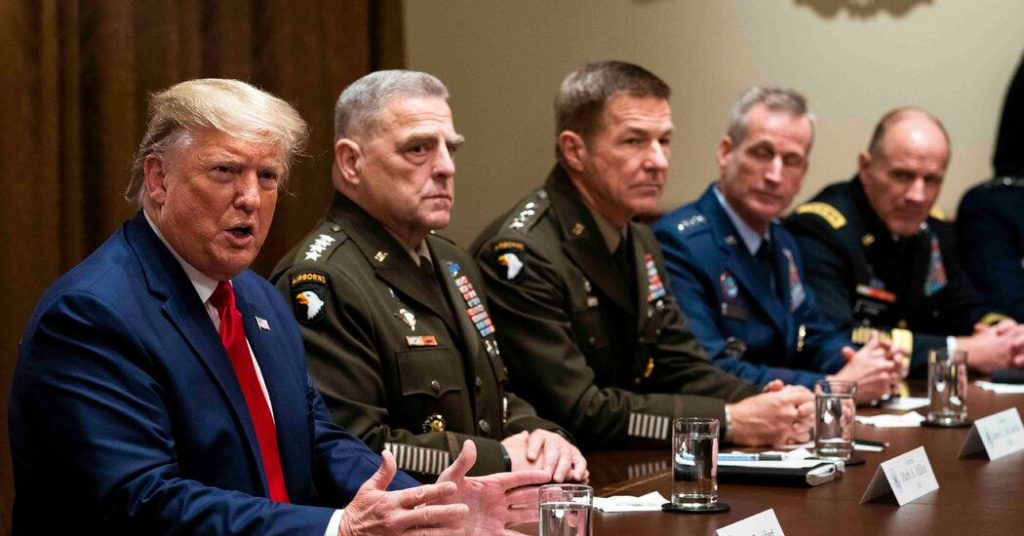
President Trump, speaking to reporters aboard Air Force One after the NATO summit, said Iran had reached out and “wants to make a deal so badly.” At the same time, he admitted uncertainty about whether Tehran could be trusted to honor any new agreement, describing Iran’s leadership as “a little bit out of control.” He confirmed that he now considers the original 60-day ceasefire to be over, even as he left the door open for continued talks.
Vice President JD Vance backed up this tough posture during a speech in Wisconsin, warning that if Iran keeps attacking commercial ships, the US military will respond firmly. He put it simply: if Iran tries to shut down the Strait of Hormuz, America will react. This messaging shows that Washington’s current strategy centers on deterrence through force, while still claiming to leave a narrow path open for diplomacy.
Humanitarian Impact Gaza and Regional Fallout
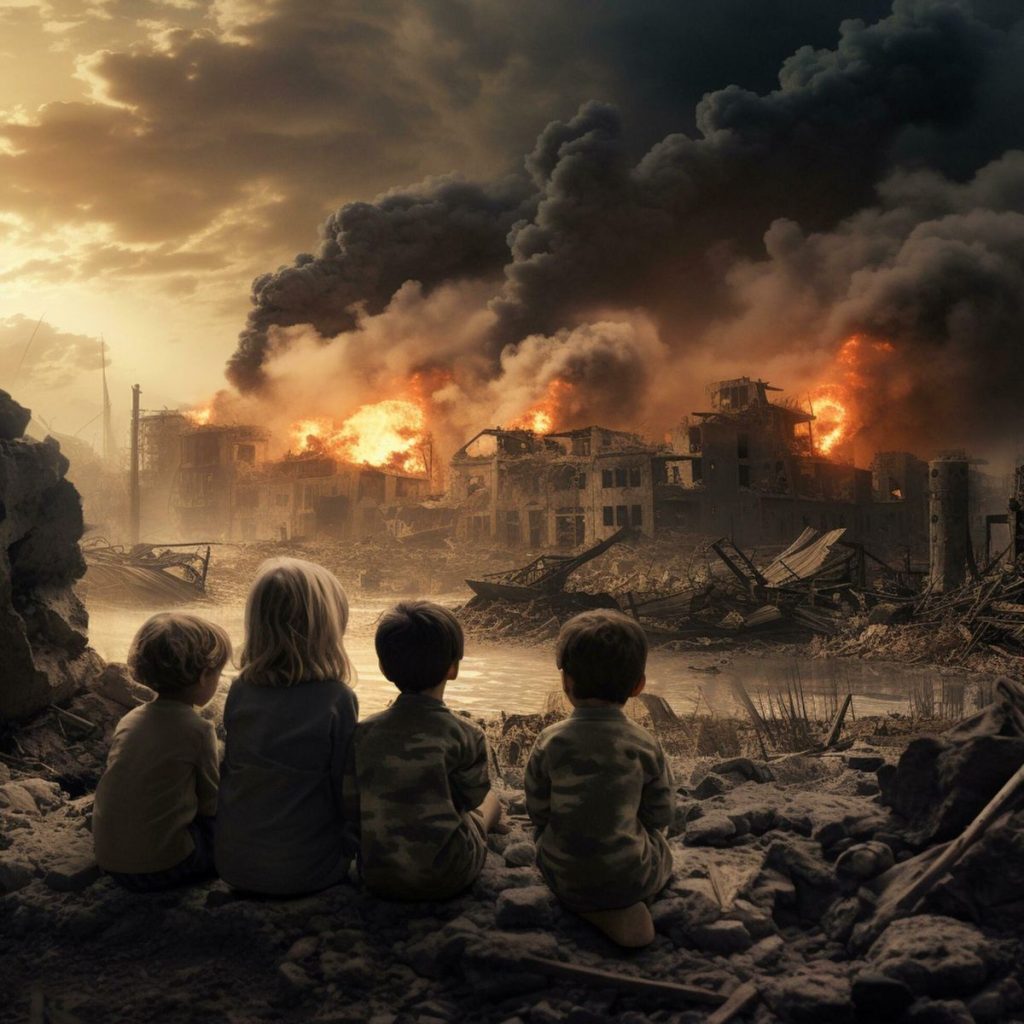
Beyond the direct Iran-US fighting, the wider U.S.-Israeli war on Iran has triggered serious humanitarian strain across the region, especially in Gaza. Reports indicate that blood banks there are running critically low, with medical supplies close to running out entirely as the conflict continues to draw resources and attention away from civilian needs. Hospitals in the region are struggling to keep up with both the direct casualties of the fighting and the secondary effects of supply shortages.
Fishing communities in Iran’s Bushehr Province have also been affected, with local boats reportedly catching fire after strikes near the Benoud fishing pier in Asaluyeh. Emergency response teams have been sent to assess damage in several coastal areas. As the war drags on, aid organizations are warning that the human cost is spreading well beyond military targets, touching ordinary families across multiple countries.
Risk of Wider Regional War and International Mediation
Officials and analysts increasingly warn that a single miscalculation could turn this into a full-blown regional war. Pakistan has stepped forward as a key mediator, publicly stating that renewed fighting between the US and Iran serves nobody’s interest in the region. This mediator role gives Pakistan a direct diplomatic stake in how the conflict unfolds, alongside its economic exposure through oil imports and Gulf-based remittances.
International bodies continue pushing for a return to talks, but with missiles flying and casualties rising daily, meaningful negotiation looks difficult right now. The coming days around Khamenei’s funeral and its aftermath are likely to be critical in determining whether this Iran-US war cools down again or spirals into something far more dangerous for the entire Middle East.
Frequently Asked Questions (FAQs)
Is the Iran-US ceasefire officially over? President Trump has publicly stated that he considers the ceasefire over, though he says he is still open to allowing talks to continue if Iran is serious about a deal.
How is the Iran-US war affecting oil prices in Pakistan? Tensions in the Strait of Hormuz, through which a large share of the world’s oil passes, are pushing global oil prices higher. This directly affects fuel costs and inflation inside Pakistan.
What is Pakistan’s official stance on the Iran-Israel-US conflict? Pakistan has positioned itself as a mediator, stating clearly that continued fighting serves no one’s interest and calling for a return to diplomacy.
Why is the Strait of Hormuz important for global trade? It is one of the world’s busiest oil shipping routes. Any closure or major disruption there can quickly raise energy prices worldwide.
How many people have died in the recent US strikes on Iran? Iran’s Health Ministry has confirmed at least 14 deaths and 78 injuries from the last two days of strikes, with more casualties reported in earlier fighting.
Conclusion What to Expect Next
This Iran-US war shows no clear sign of slowing down. With Khamenei’s burial complete, Gulf nations on edge, and Trump signaling a tougher military posture, the next few days will likely decide whether diplomacy gets another chance. For Pakistan and the wider region, the stakes remain high, from oil prices to the safety of millions of workers across the Gulf. We will continue updating this page as the situation develops.
